
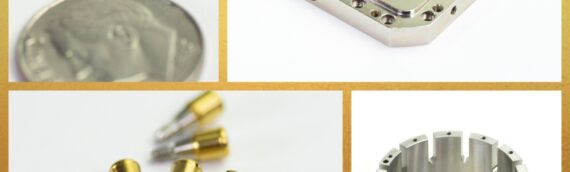
Choosing the right machining process can have a significant impact on part quality, production efficiency, cost and lead time. While both Swiss machining and traditional CNC machining can produce highly precise components, the two processes are designed for different types of applications. Understanding the differences between these machining methods can help manufacturers determine which process is best suited for their components. Factors such as part size, geometry, material, tolerances, production volume and required features all play a role in selecting the right approach. At P4Swiss / Lindel CNC Machining, we have extensive experience with precision CNC manufacturing for demanding industries,
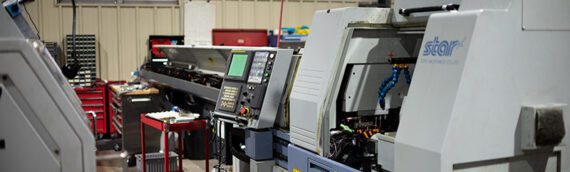
Read more about CNC machining in Tucson →In today’s manufacturing environment, precision is everything. Industries such as medical, aerospace, defense and optical manufacturing require components with incredibly tight tolerances, intricate geometries and consistent quality. Traditional machining methods can struggle to meet these demands efficiently, which is why many manufacturers turn to Swiss machining. But what exactly is Swiss machining, and why has it become one of the most trusted manufacturing processes for producing high-precision components? At P4Swiss / Lindel CNC Machining, we specialize in delivering precision-machined parts using advanced Swiss machines. In this guide, we’ll explain how Swiss machining works, its advantages, common applications and why manufacturers
Read more about CNC machining in Tucson →
