

Choosing the right machining process can have a significant impact on part quality, production efficiency, cost and lead time. While both Swiss machining and traditional CNC machining can produce highly precise components, the two processes are designed for different types of applications.
Understanding the differences between these machining methods can help manufacturers determine which process is best suited for their components. Factors such as part size, geometry, material, tolerances, production volume and required features all play a role in selecting the right approach.
At P4Swiss / Lindel CNC Machining, we have extensive experience with precision CNC manufacturing for demanding industries, including aerospace, medical, defense, optical and industrial applications. Our capabilities allow us to match the right machining process to each project's specific requirements.
Table of Contents
What Is Swiss Machining?
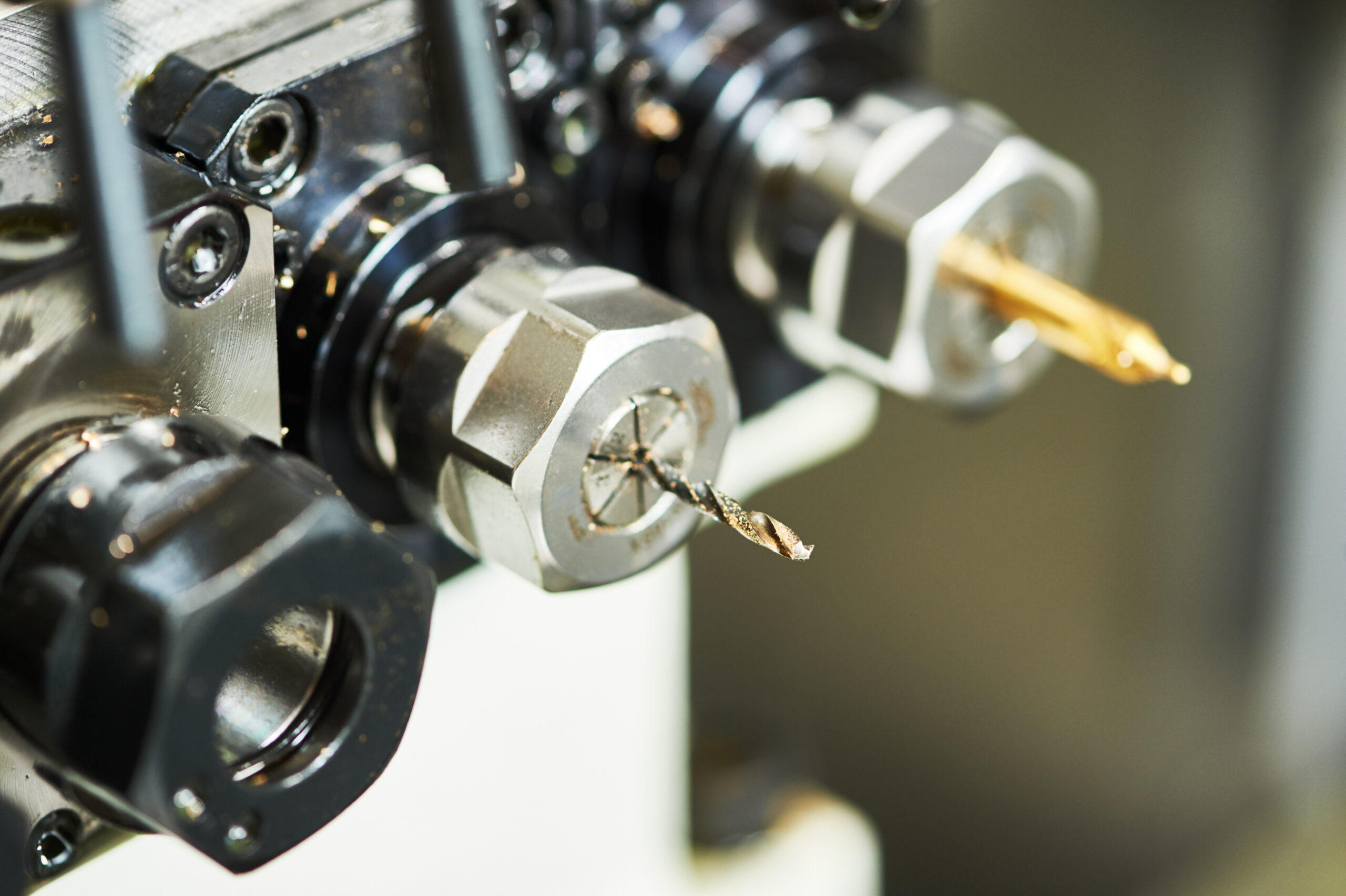
Swiss machining is a specialized form of CNC machining designed primarily for producing small, complex and highly precise components. The process originated with the production of precision watch components in Switzerland, but modern Swiss CNC machines are now used across numerous industries.
The primary difference between Swiss machining and traditional CNC machining is how the workpiece is supported and moved during the machining process.
A Swiss machine uses a sliding headstock and guide bushing to support the workpiece very close to the cutting tool. The material can move through the guide bushing as machining takes place.
This design provides exceptional stability, particularly when producing long, slender or small-diameter components. As a result, Swiss machining can achieve tight tolerances while minimizing vibration and material deflection.
Modern Swiss machines can also perform several operations, including:
- Turning
- Milling
- Drilling
- Threading
- Cross-hole machining
Because several operations can often be completed in a single setup, Swiss machining can be highly efficient for complex, high-volume components.
What Is Traditional CNC Machining?
Traditional CNC machining generally refers to conventional CNC milling and turning processes in which the workpiece is secured while cutting tools remove material.
Traditional CNC machining encompasses multiple processes, including:
- Milling
- Turning
- Drilling
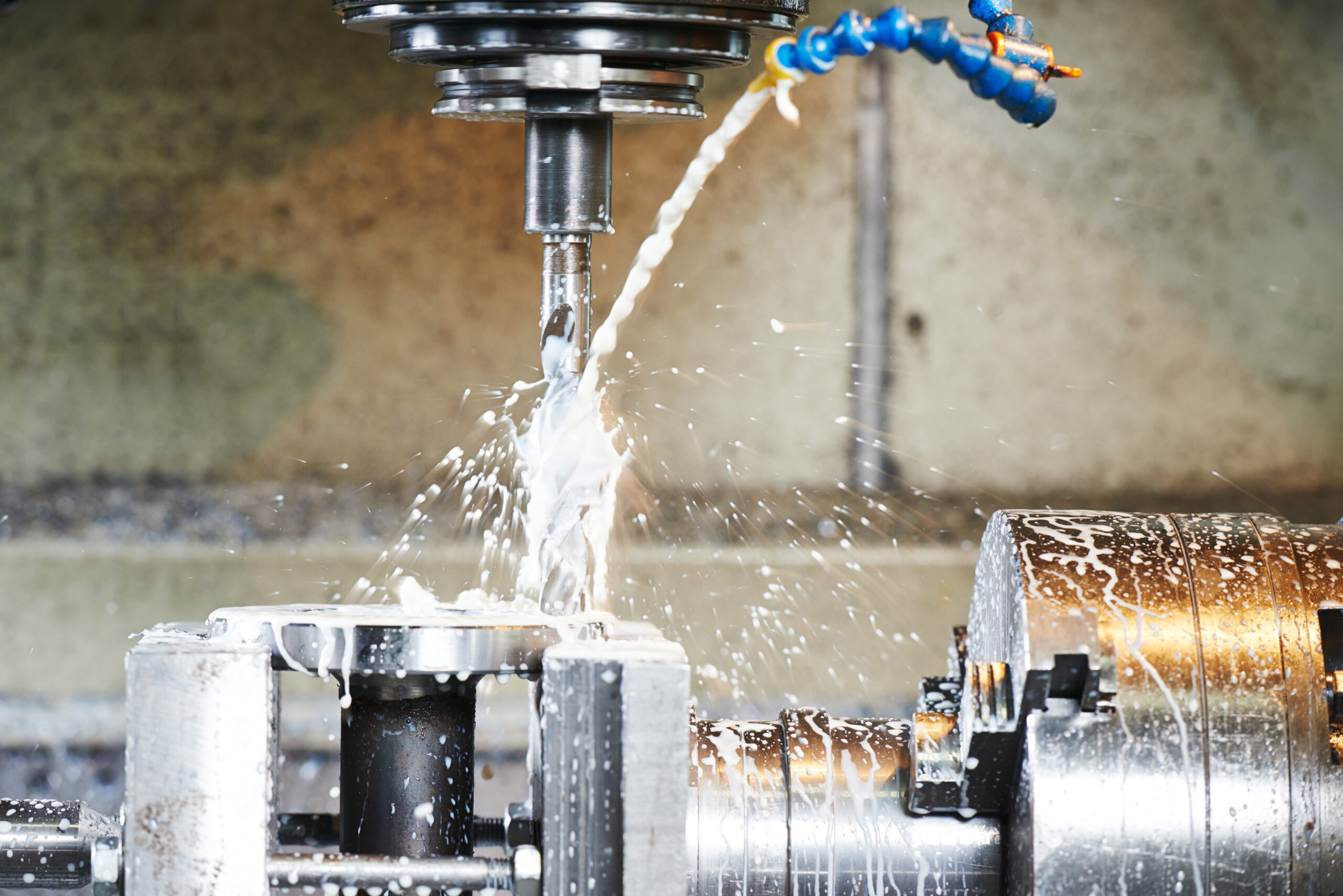
CNC milling machines can use 3-axis, 4-axis or 5-axis movement to produce complex components. CNC lathes, meanwhile, are particularly effective for cylindrical parts.
Unlike Swiss machining, traditional CNC machining does not typically use a guide bushing to support the workpiece directly at the cutting zone.
However, traditional CNC machining remains an extremely versatile manufacturing method. It can accommodate a wide range of part sizes and geometries, making it an excellent choice for many applications.
Swiss Machining vs. Traditional CNC Machining: Key Differences
Although both processes use computer-controlled equipment and precision cutting tools, several important differences separate Swiss machining from traditional CNC machining.
Workpiece Support
One of the most significant differences is how the material is supported.
With Swiss machining, the workpiece passes through a guide bushing that supports the material close to the cutting tool.
With traditional CNC machining, the workpiece is generally held by a workholding system.
Therefore, Swiss machining can provide an advantage when producing small-diameter or long, slender parts.
Part Size
Swiss machining is particularly well suited for small precision components.
Traditional CNC machining, on the other hand, can accommodate a broader range of part sizes.
Depending on the equipment, CNC mills and lathes can produce everything from relatively small components to much larger parts.
Consequently, part dimensions should be one of the first considerations when determining which process to use.
Part Geometry
Swiss machining is ideal for small components with complex features and cylindrical characteristics.
Traditional CNC machining provides greater flexibility for larger or more varied geometries, especially when using 4-axis or 5-axis milling.
For example, a complex housing with multiple large surfaces may be better suited to CNC milling, while a small precision connector with numerous turned features may be an excellent candidate for Swiss machining.
Precision & Tight Tolerances
Both Swiss machining and traditional CNC machining can produce highly precise components.
With Swiss machining, the guide bushing keeps the workpiece stable near the cutting area. This allows manufacturers to maintain tight tolerances on small and slender components.
Traditional CNC machining can also achieve extremely tight tolerances when the appropriate machine, tooling, programming and inspection processes are used.
Which Materials Can Each Process Machine?
Both Swiss machining and traditional CNC machining can work with a wide range of materials.
At P4Swiss / Lindel CNC Machining, our material capabilities include:
Material selection can affect tooling, cutting parameters, surface finish, cycle time and overall machining strategy. Therefore, an experienced machining partner should evaluate the material alongside the component's design and production requirements.
Choosing the Right Material for Your Machined Parts
The right material can make a significant difference in the performance, durability and manufacturability of your components. Understanding your material options is an important part of the machining process.
Learn more about the factors to consider when selecting a material for your application.
When Should You Choose Swiss Machining?

Swiss machining is often a strong choice when a component has several of the following characteristics:
Medical components, aerospace hardware, optical components, electronic connectors and defense parts can all benefit from Swiss machining when their designs fit the process.
For manufacturers producing hundreds of small, intricate components, the ability to combine multiple operations can provide significant production advantages.
When Should You Choose Traditional CNC Machining?
Traditional CNC machining may be better suited for parts that are:
For example, aerospace housings, industrial components, brackets, fixtures and larger structural parts may be better candidates for conventional CNC milling.

At P4Swiss / Lindel CNC Machining, our 3-axis, 4-axis and 5-axis milling capabilities provide the flexibility needed to manufacture complex components that don't fit the typical Swiss machining profile.
Can Swiss Machining and Traditional CNC Machining Be Used Together?
Yes. In some manufacturing programs, using both processes can provide the most efficient solution.
For example, a production program may include small precision components manufactured using Swiss machining while larger housings or structural components are produced using CNC milling.
In other cases, a component may require multiple machining processes to achieve its final geometry.
The key is determining the most efficient manufacturing strategy based on the component's design, material, tolerance requirements and production volume.
Why Choose P4Swiss / Lindel CNC Machining?
Selecting the right machining partner is just as important as selecting the right machining process.
At P4Swiss / Lindel CNC Machining, we combine advanced CNC technology with decades of manufacturing experience to produce precision components for demanding industries.
Our capabilities include:
- CNC milling
- CNC turning
- Swiss machining
- 3-axis, 4-axis and 5-axis machining
- Tight-tolerance machining
- Complex component manufacturing
We work with a wide variety of materials and part geometries, allowing us to develop machining solutions based on each project's unique requirements.
Whether your component is best suited for Swiss machining, traditional CNC machining or a combination of processes, our team can help identify an efficient approach to production.
Choosing the Right Machining Process for Your Part
There isn't one machining process that is right for every component. Instead, manufacturers should consider the complete set of production requirements.
When comparing Swiss machining and traditional CNC machining, consider:
Part Size
Small, slender components often benefit from Swiss machining, while larger parts may be better suited to traditional CNC machining.
Part Geometry
Complex turned features may favor Swiss machining, while large multi-sided geometries may benefit from CNC milling.
Tolerance Requirements
Both processes can achieve high precision, but Swiss machining offers particular advantages for small, slender components.
Material
The material can influence tooling, cutting parameters, cycle time and the best machining strategy.
Production Volume
High-volume production can benefit from Swiss machining's ability to complete multiple operations efficiently.
Required Operations
If a part requires turning, milling, drilling and other operations, a Swiss machine may help streamline production.
Precision Machining for Demanding Industries
Modern manufacturers need more than a machine shop — they need a machining partner that understands how to turn complex designs into reliable components.
P4Swiss / Lindel CNC Machining provides precision manufacturing solutions for aerospace, medical, defense and optical applications. Our combination of advanced CNC technology, experienced machinists and diverse machining capabilities allows us to support a wide range of component requirements.
From small, intricate Swiss-machined components to larger multi-axis CNC parts, we focus on producing consistent, high-quality components that meet your specifications.
Need Help Choosing the Right Machining Process?
P4Swiss / Lindel CNC Machining can help you determine the right approach for your application.
Contact us today to discuss your project or request more information.
Frequently Asked Questions
The primary difference is how the workpiece is supported. Swiss machining uses a guide bushing to support material close to the cutting tool, making it especially effective for small, slender and highly precise components. Traditional CNC machining typically secures the workpiece in a workholding system.
If you would like to submit a custom CNC request for quote (RFQ), please do not hesitate to contact Tony Torrez at tony@p4swisslindel.com, call us at (520) 792-3160 or click the “Request a Custom CNC Quote Today” button below.
