
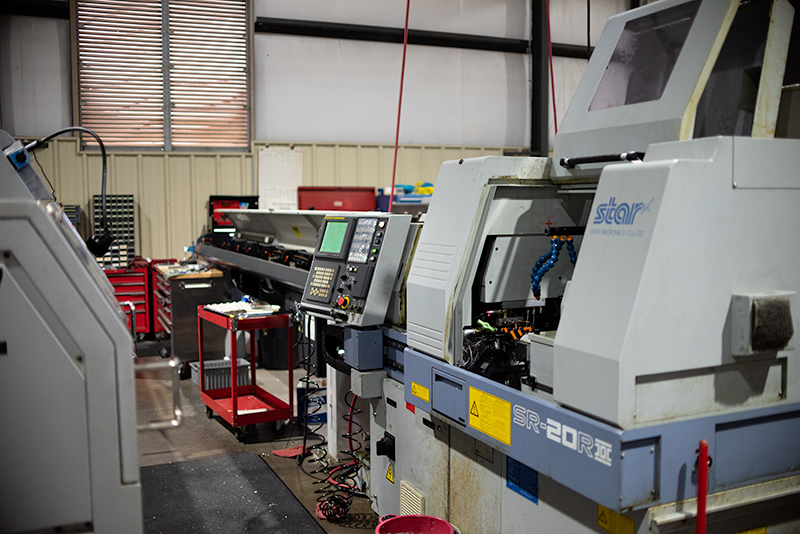
In today's manufacturing environment, precision is everything. Industries such as medical, aerospace, defense and optical manufacturing require components with incredibly tight tolerances, intricate geometries and consistent quality. Traditional machining methods can struggle to meet these demands efficiently, which is why many manufacturers turn to Swiss machining.
But what exactly is Swiss machining, and why has it become one of the most trusted manufacturing processes for producing high-precision components?
At P4Swiss / Lindel CNC Machining, we specialize in delivering precision-machined parts using advanced Swiss machines. In this guide, we'll explain how Swiss machining works, its advantages, common applications and why manufacturers continue to rely on this highly accurate process.
Table of Contents
What Is Swiss Machining?
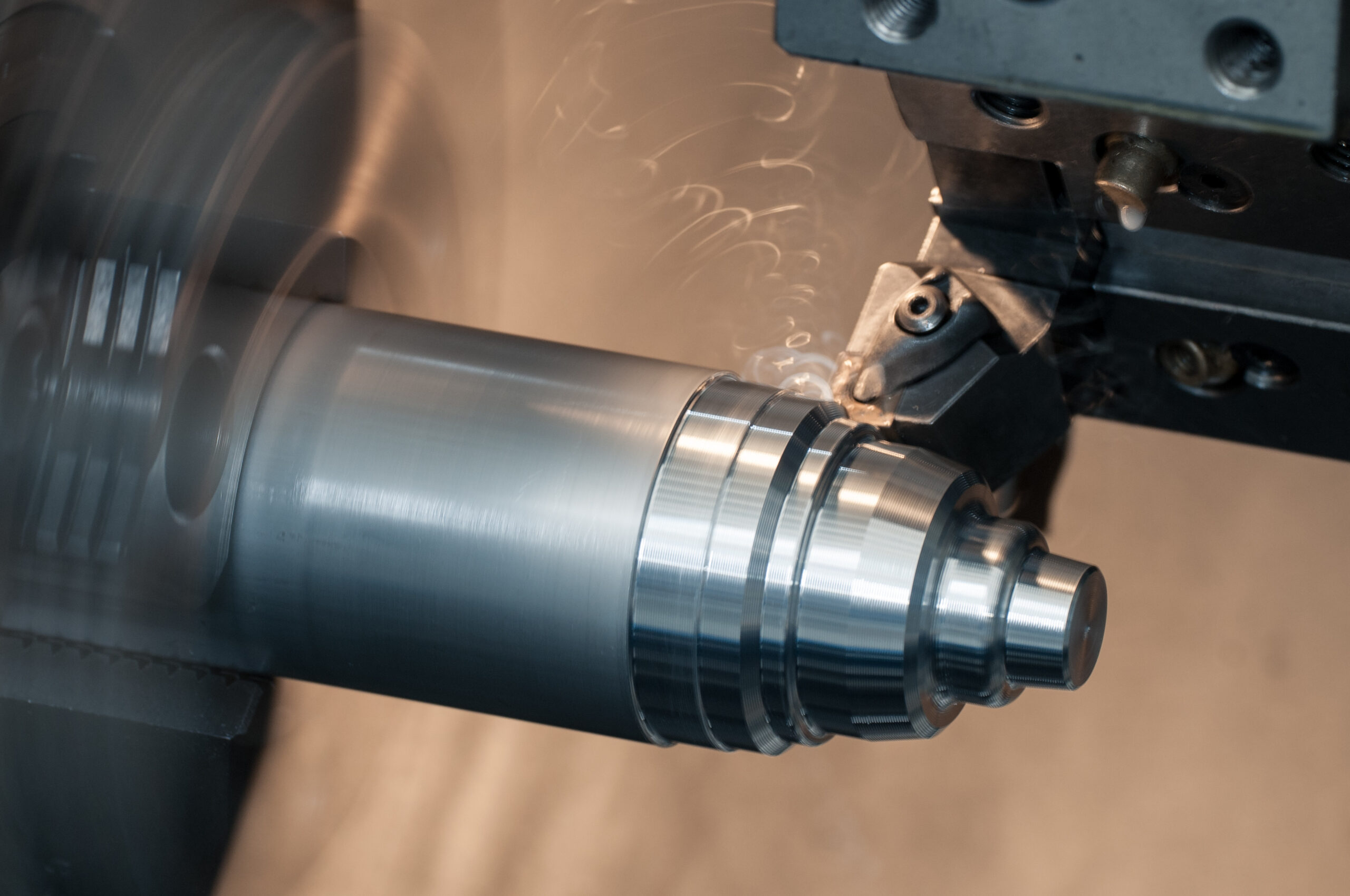
Swiss machining is a specialized CNC machining process designed to produce small, complex and high-precision components. Unlike conventional CNC lathes, Swiss machines utilize a sliding headstock and guide bushing system that supports the workpiece close to the cutting tool throughout the machining process.
This unique design minimizes vibration and deflection, allowing manufacturers to achieve extremely tight tolerances and exceptional surface finishes.
Swiss machines originated in Switzerland during the late 19th century to manufacture watch components requiring extraordinary precision. Today, modern CNC Swiss machines are used across numerous industries to produce everything from surgical instruments to aerospace fasteners.
How Does Swiss Machining Work?
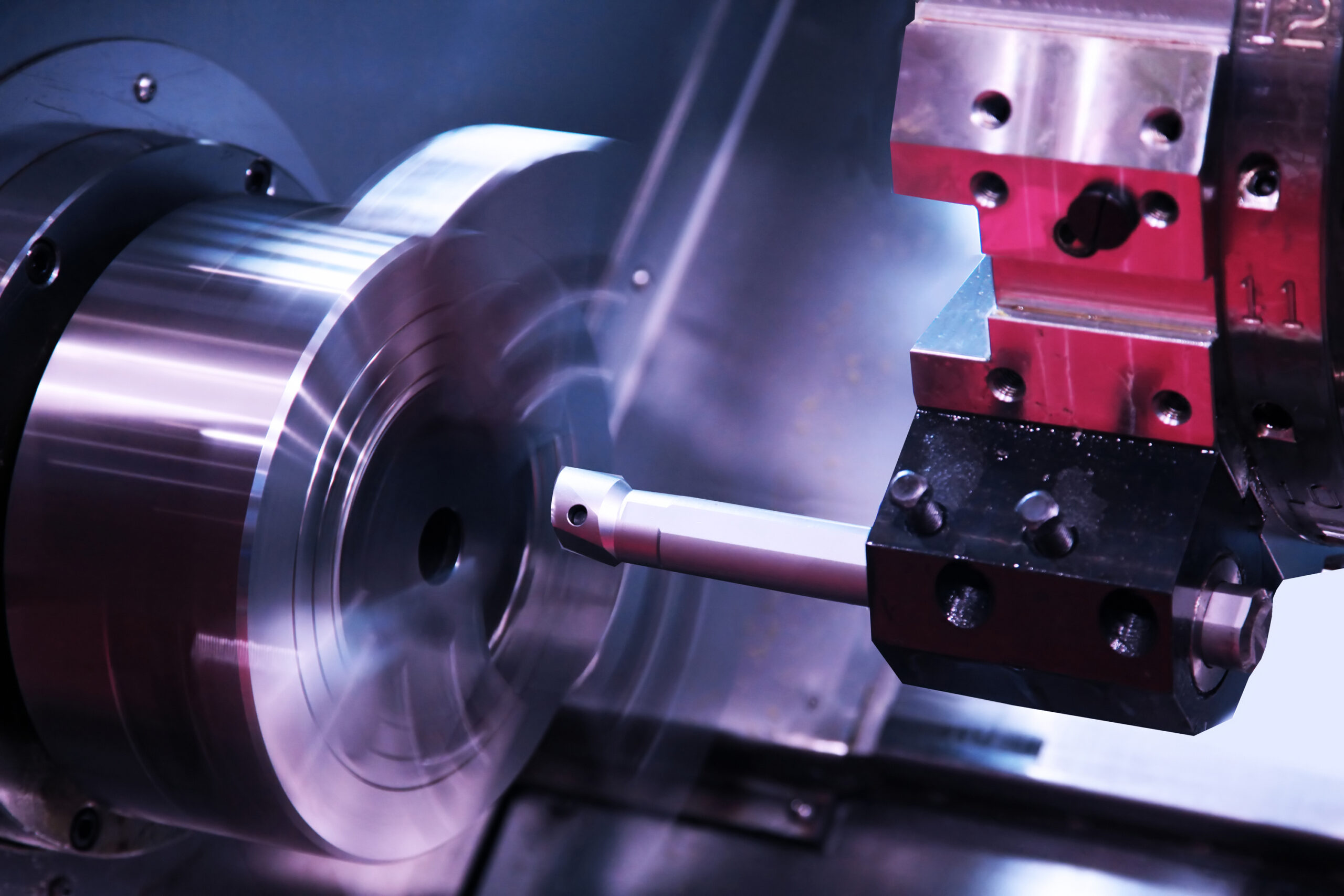
The key difference between Swiss machining and traditional CNC turning lies in how the material is supported during machining.
In a traditional lathe:
- The workpiece is clamped at one end.
- The cutting tool moves toward the material.
- Longer parts may experience deflection during machining.
In a Swiss machine:
- The bar stock passes through a guide bushing.
- The workpiece moves while the cutting tools remain stationary.
- The guide bushing supports the material close to the cutting zone.
This continuous support provides exceptional stability, enabling the production of intricate features and maintaining tight tolerances throughout the machining process.
The Major Advantages of Swiss Machining
Exceptional Precision
One of the primary reasons manufacturers choose a Swiss machine is precision.
The guide bushing system minimizes vibration and material movement, allowing parts to be machined with tolerances often measured in microns.
This level of accuracy is critical for industries where even minor dimensional variations can impact performance.
Ability to Produce Complex Parts
Swiss machines excel at manufacturing intricate components with features such as:
- Small diameters
- Thin walls
- Complex contours
- Threads
- Grooves
- Cross holes
Modern Swiss machines often combine turning, milling, drilling and other operations into a single setup.
Improved Surface Finish
The stability provided by the guide bushing reduces tool chatter and vibration, resulting in smoother surface finishes and reduced secondary finishing requirements.
Increased Production Efficiency
Swiss machines can perform multiple operations simultaneously, reducing cycle times and improving productivity.
This makes Swiss machines ideal for both low-volume custom projects and high-volume production runs.
Reduced Material Waste
The precision of Swiss machining helps minimize scrap and optimize material utilization, making the process cost-effective for manufacturers working with expensive materials.
What Types of Parts Are Made with Swiss Machines?
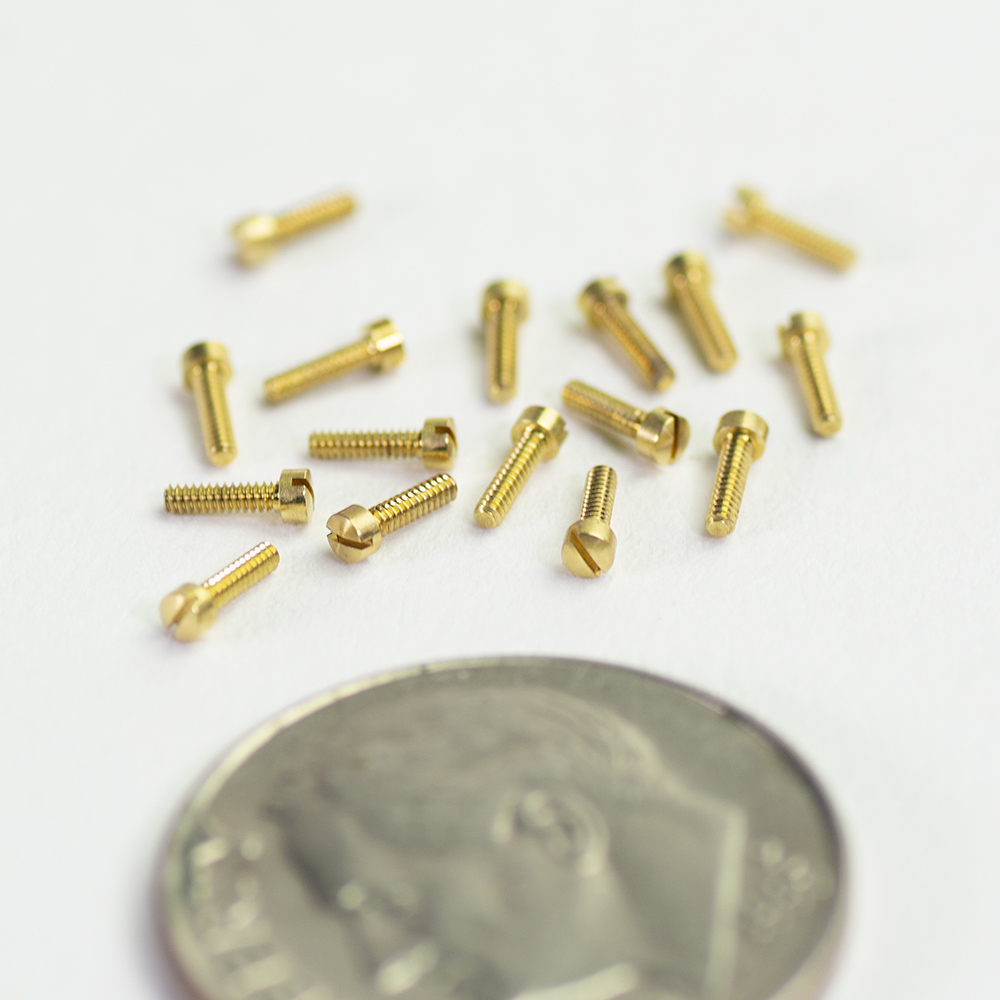
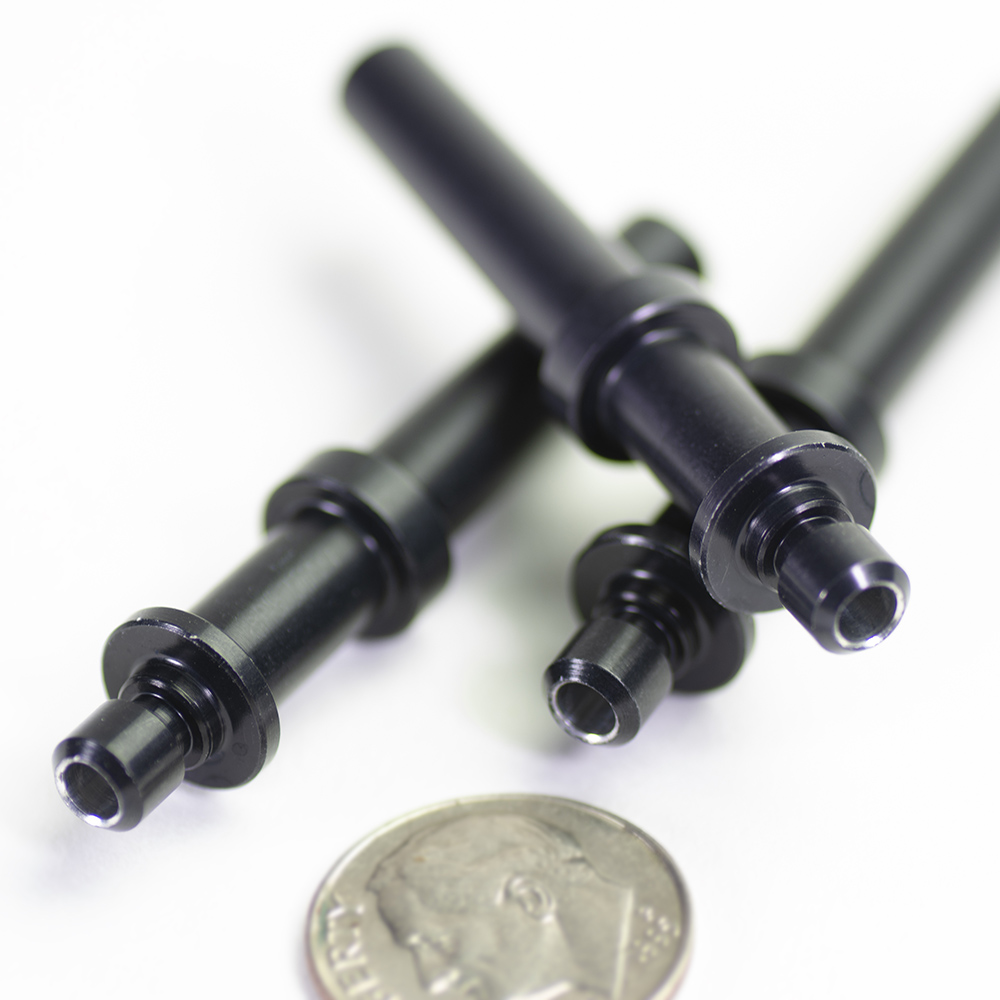
Swiss machines are particularly well-suited for small and medium-sized components requiring precision and repeatability.
Common examples include:
Medical Components
Medical manufacturers rely heavily on Swiss machines for:
- Surgical instruments
- Bone screws
- Orthopedic implants
- Dental devices
These parts require strict dimensional accuracy and exceptional surface quality.
Aerospace Components
Swiss machines are commonly used for:
- Fasteners
- Connectors
- Sensor housings
- Hydraulic components
Aerospace applications demand lightweight, high-strength components that perform reliably in challenging environments.
Defense Components
Swiss machines are often used to produce:
- Precision fasteners
- Guidance system components
- Communication equipment parts
- Specialty hardware
The defense industry requires components capable of meeting rigorous performance standards.
Optical Components
Swiss machines support the production of:
- Lens housings
- Precision mounts
- Optical connectors
- Alignment components
Optical systems require extremely tight tolerances and consistent dimensional accuracy.
Materials Used in Swiss Machining
One reason Swiss machines are so versatile is their ability to machine a wide range of materials.
Common materials include:
Stainless Steel
Stainless steel offers excellent corrosion resistance and strength, making it ideal for medical, aerospace and defense applications.
Aluminum
Aluminum is lightweight, highly machinable and widely used across multiple industries.
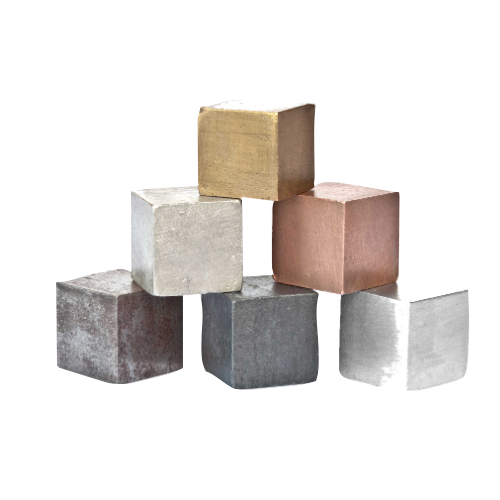
Titanium
Titanium provides a superior strength-to-weight ratio and exceptional corrosion resistance.
It is commonly used in medical implants, aerospace components and defense equipment.
Brass and Copper
Brass and copper are often selected for electrical and electronic components because of their conductivity and machinability.
Engineering Plastics
Swiss machines can also produce high-precision plastic components using materials such as:
- PEEK
- Delrin
- Teflon
- PVC
These materials are commonly used in medical and industrial applications.
Swiss Machining vs. Traditional CNC Machining
Many manufacturers wonder whether Swiss machining or traditional CNC machining is the better choice.
The answer depends on the application.
Swiss Machining Is Ideal For:
- Small precision components
- Tight tolerances
- Long, slender parts
- Complex geometries
Traditional CNC Machining Is Ideal For:
- Larger parts
- Simple geometries
- Heavy-duty components
- Lower complexity applications
In many cases, manufacturers use both processes depending on the specific requirements of the project.
Why Manufacturers Choose Swiss Machines for High-Volume Production
Consistency is one of the biggest advantages of Swiss machining.
Because Swiss machines are highly automated and capable of running continuously, manufacturers can produce hundreds of identical parts with exceptional repeatability.
Benefits include:
- Faster production cycles
- Reduced labor costs
- Consistent quality
- Reliable delivery schedules
For OEMs and manufacturers requiring large quantities of precision parts, Swiss machines provide an efficient and scalable solution.
The Importance of Choosing the Right Partner
Not all machine shops have the expertise or equipment necessary to maximize the benefits of Swiss machining.
When selecting a machining provider, manufacturers should evaluate:
Experience
Look for a company with proven experience producing precision components for demanding industries.
Equipment Capabilities
Modern CNC Swiss machines provide greater flexibility, tighter tolerances and improved efficiency.
Quality Control
Choose a machining partner that operates within a documented quality management system and performs rigorous inspections throughout production.
Material Expertise
Different materials require different machining strategies. A knowledgeable machining provider can optimize tooling and production processes to achieve superior results.
Scalability
Your machining partner should be capable of supporting everything from prototype development to high-volume production.
Why Manufacturers Trust P4Swiss / Lindel CNC Machining

At P4Swiss / Lindel CNC Machining, we have built our reputation on delivering precision, quality and reliability.
Our advanced Swiss machining capabilities allow us to manufacture complex components for industries such as:
We combine decades of machining expertise with advanced CNC technology to produce parts that meet the highest standards for accuracy and performance.
Whether you need prototypes, custom components or high-volume production runs, our team is committed to helping you achieve your manufacturing goals.
Choose Swiss Machining for Your Next Project
Swiss machining has become one of the most valuable manufacturing processes for producing high-precision components across a wide range of industries. Its ability to achieve tight tolerances, manufacture complex geometries and maintain consistent quality makes it an ideal solution for demanding applications.
From medical devices and aerospace components to defense hardware and optical systems, Swiss machines continue to play a critical role in modern manufacturing.
By partnering with an experienced machining provider like P4Swiss / Lindel CNC Machining, manufacturers can benefit from superior precision, improved efficiency and scalable production capabilities that support long-term success.
Contact our team today to discuss your project and discover how our precision machining capabilities can support your manufacturing goals.
Frequently Asked Questions
Swiss machining is a precision CNC machining process that uses a sliding headstock and guide bushing to support the workpiece close to the cutting tool, enabling extremely accurate machining.
If you have any questions or would like to submit a CNC request for quote (RFQ), please do not hesitate to contact Tony Torrez at tony@p4swisslindel.com, call us at (520) 792-3160 or click the “Request a Custom CNC Quote Today” button below.
